• Woof. Okay, let’s kick a couple hornets’ nests, I guess.

    “Audiophile” is a dirty word in some most circles. It conjures images of 60 year old lawyers with more money than should be allowed, swirling whiskey in a glass, babbling about how their new speaker cables– more expensive than any car you or I will ever own, combined— leverage inverse reactive current for use in unilateral phase detractors, swearing how they can “hear the smoke in the room it was recorded in” as the blandest and most toothless fucking music spins nearby on a turntable so overdesigned one could mistake for a weather satellite.

    That shit sucks. I seriously think we music lovers need to reclaim the the “hi-fi stereo system” from old white men and embrace loving jamming out with a good sound system. Stereos are for the people. More on that later.

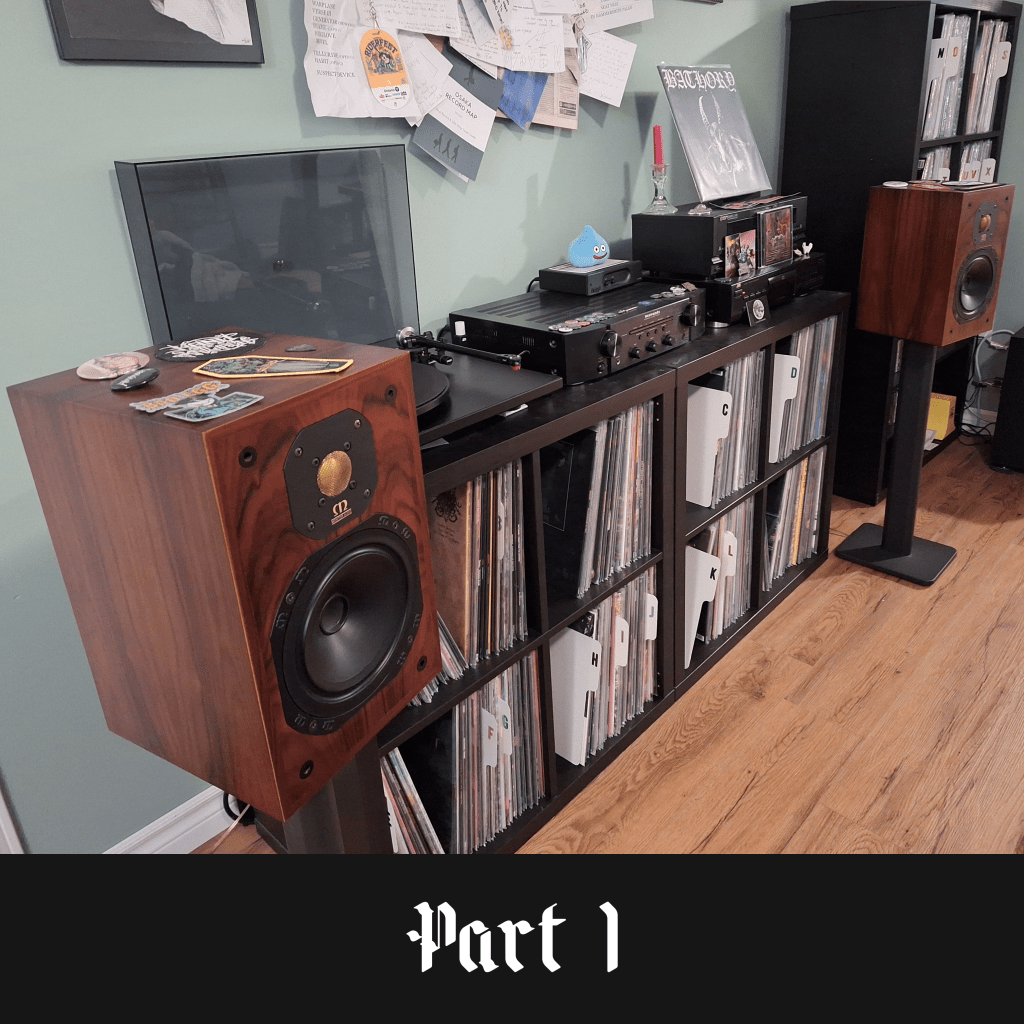
    All that being said, would I consider myself an audiophile? I shudder as I realize that, yeah, I think I would. I’ve spent more money than is responsible building and rebuilding a home 2.1 stereo system to play records, CDs, and tapes, and I use it nearly every day. I don’t know if I would be considered a “good” or “bad” audiophile (if that delineation even exists), but I know one thing for sure:

    I love music that sounds like shit.

    I’m talking death metal rehearsal demos from a sweat-logged Floridian garage in 1987, goregrind that sounds like someone loaded bones into your washing machine and ran a spin cycle, black metal. If it sounds like ass and has been pressed on plastic, I’m pumping it through my Monitor Audio speakers.

    So, I’m taking it upon myself to be a voice in the audiophile community for the heshers and headbangers. Likewise, I’m hoping to help bring back down to earth the world of audio reproduction and to make a case for the metal maniacs who might have previously written it off as snobbery.

    I’m thinking of making this a running series, each entry covering a specific aspect of my intersecting loves of metal music and stereo gear. I don’t know exactly how this will all pan out, but my gut is telling me to aim for at least the following general sections:

    • Part 1, an introduction to this whole affair (you are here)
    • Part 2, why hi-fi and poorly recorded music are compatible
    • Part 3, why I hate audiophiles
    • Part 4, how to actually build a damn stereo that you like

    And who knows where we’ll go from there, if anywhere else. I just hope you enjoy the ride.

    I, Audiophile

    I’ve been collecting physical media for most of my life at this point, starting with CDs in the 2000s and branched out to vinyl when the repopularization of the format happened in the 2010s. Cassettes came much later for me– the deluge of Maggot Stomp released demos and EPs got me excited for a format I wasn’t even nostalgic for.

    Through all this, I acquired or was given the necessary equipment to playback my physical media. I won’t bore you by going through every piece of gear I’ve ever owned, but I’ve seen a lot of entry-to-mid level gear in my time. I’ve gone from a tiny CD player with speakers built in, to the workhorse entry level AT LP60 turntable plugged (incorrectly) into my housemate’s father’s old AV receiver, to a hot-rodded Rega Planar 3 and (mostly) separates system I built by trolling kijiji and Facebook marketplace over the years. At one point I modified speakers I owned to try and tune them to my tastes. Hell, there was even a time when I didn’t own any gear and I sold off most of my CDs to pay rent– my only way to listen to music being in my 2011 Hyundai Accent, the dozen-or-so remaining jewel cases in my possession rattling in my door storage as Cannibal Corpse‘s Torture spewed out of straining speakers at maximum volume.

    Point is, I love metal music. It’s been foundational to my life, just like it has been for many others. Having it on the go by streaming from my NAS or passing the aux around in the tour van is one way I get to appreciate this incredible art form, but when I have the moments to spare to sit in the big comfy chair in my basement and throw something heavy on my stereo is when I can elevate my experience with music to a whole other level. Again, I want to break from the negative image of an audiophile obsessed with their gear more than the music. “Elevate” can just as much mean sitting in a dim basement, listening critically as it can throwing back beers and pumping my fist on a Friday night as Ratt LPs spin round and round on the other side of the room. Both rule.

    The goal here is not to get you to run out and buy thousands of dollars worth of gear, nor to attempt to claim a “correct” or “best” way to listen to music. I just want to get folks thinking about how they play back their favourite music and make the intimidating world of hi-fi a bit more accessible to regular folks like you and me.

    I also want to take a brief moment and mention that building a stereo for digital playback is also cool if that’s your bag. Using streaming services or a digital library/ home server is a totally valid (and cheaper/ more convenient!) format, though I personally have just built my stereo system to play physical media only so most of these posts will be focused on that medium.

    So What’s Next?

    Metal and hi-fi audio are sometimes kept at odds in metalheads’ minds. Sure, there has been immaculately produced metal in the past decade or so, but I’m talking about the grimier, grungier stuff. A good stereo can be seen as superfluous to metal-listeners, simply not worth it for the cost– after all, why bother with the money and effort to put together a system if you’re just going to spin Bathory‘s self-titled debut on it? What could you possibly be getting out of it compared to listening by any other means?

    That’s exactly what I’ll be diving into in my next entry in this series:

    How To Be An Audiophile When You Like Music That Sounds Like Shit | Part 2: The Bathory Problem
  • I hate Metal Promo™️ lingo, and I will do my utmost best not to succumb to describing how any particular album’s “whirring chainsaw guitars will eviscerate you” or “necromantic wails from beyond the grave howl out in pain” or whatever. If you catch me indulging in any ergregious act of Metal-Promo-lingo-izing, feel free to take me out back and fucking shoot me.

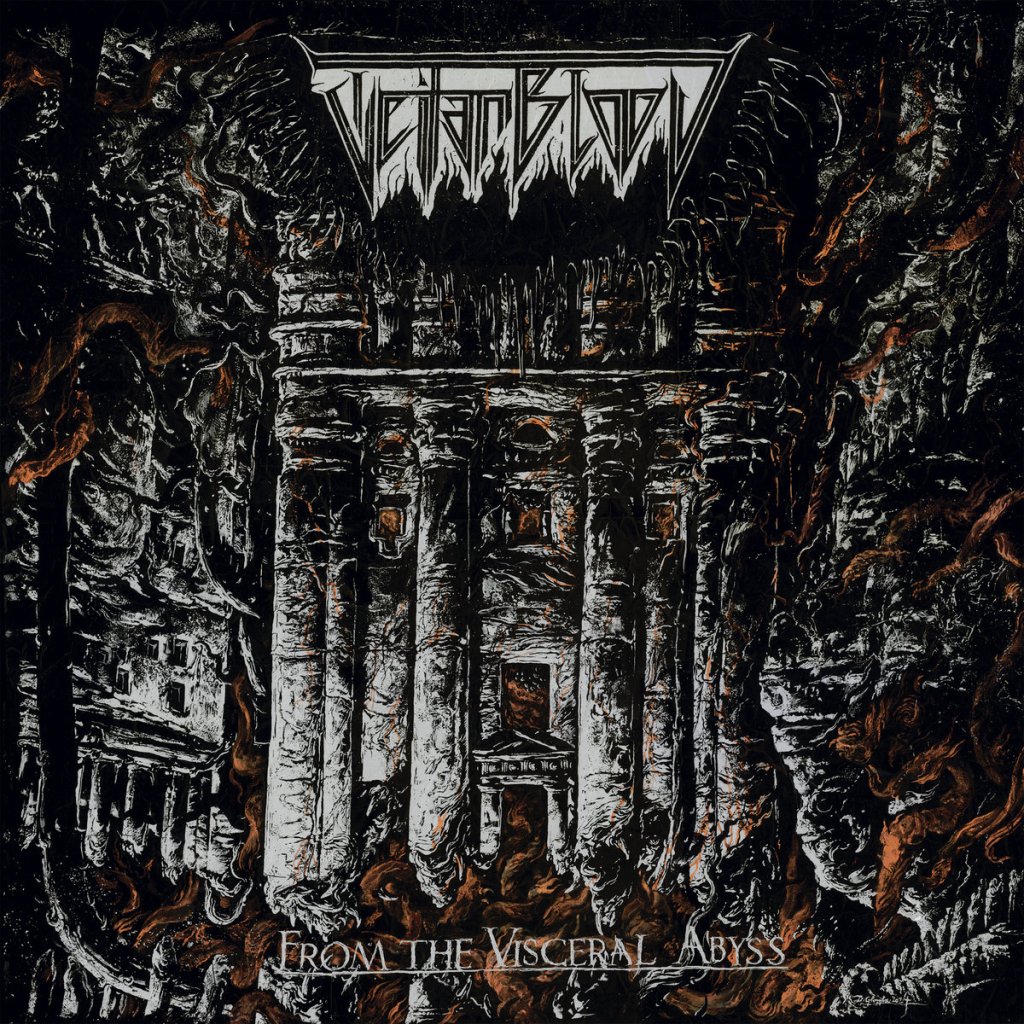
    In Metal Promo™️ lingo, particularly relentlessly heavy bands are often called “crushing” or “suffocating”. Hell, even the blurb on Teitanblood‘s own Bandcamp page says their 2025 release From the Visceral Abyss “forges a suffocating atmosphere”.

    I don’t think that’s the case.

    No, I’m not being a contratian. No, I’m not engagement bating. Let me explain.

    “Crushing” and “suffocating” are localized affairs. You are crushed. While one can be crushed by something gigantic, the only scale of the relevant action here is as big as the victim. Same with suffocation. They’re both claustrophobic. Personal.

    Teitanblood instead offer something grander and uncaringly huge in scope on From the Visceral Abyss. Slicing winds strip your flesh as you look out over an ash covered wasteland, ruins of imperceptible age piercing the hostile terrain, stretching out into infinity.

    Wait, don’t shoot just yet.

    In a word, From the Visceral Abyss is big. While the band is as liberal with its use of blast beats and dissonant, atonal guitar playing as ever, there’s a sense of air between the instruments that I haven’t noticed in previous releases from the band. While the LP from France’s Norma Evangelium Diaboli spins on my turntable, the guitars sound distant, as if their cabinets are roaring several feet behind my main speakers. Drums ring out with plenty of reverb, while cascading across the stereo field (panned from drummer’s perspective, as god intended). Bubbling under all of this are the vocals, equally as distant and cold as well as additional layers of guitar– atonal solos and divebombs adding even more abrasive texture to the whole presentation.

    The solos are buried in the mix across the whole album, which is honestly a welcome change from black/ death metal bands’ typical piercing, in-your-face placement. I revisited their 2014 masterpiece simply titled Death and the difference in scale was staggering. A decade ago, they were serving up vicious music no doubt, but it was a frenzied melee– they offered the listener no space to find respite from the music. No longer is Teitanblood a snarling beast mauling you through speaker cones, but an unflinching portal to a far less personal yet equally deadly realm. Unflinching. Cold. Almost Lovecraftian in it’s lack of empathy for you. They show confidence in their creative choices, their intuition well honed after over 20 years in the game.

    Very briefly, stints of melody poke their head through the dizzying cacophony. These are welcome respites, offering something, anything for your mind to hold on to and make sense of. Sometimes they take the form of tremolo picked melodies lower on the fretboard, othertimes as jangly, arpeggiated chords ringing out. From the Visceral Abyss is definitely an album that needs multiple listens to fully reveal it’s secrets to those willing to receive them. Not to say it isn’t enjoyable on first spin, but if your first impression is anything more nuanced and coherent than “that was… damn”, I’d think you were lying.

    While Side A absolutely rips, Side B is where things start to shift, keeping you on your toes. “Strangling Visions” barely swerves in and out of ’80s thrash and speed metal territory, never fully giving in to the genre switch up but flirting with a leather-clad chord progression(?!) under a particularly fist-pumping solo. Don’t get me wrong, this isn’t Teitanblood going soft, this is the LaCroix of heavy metal influence. Somebody left the From the Visceral Abyss masters lying next to a 1987 Gibson Explorer overnight.

    The near-fifteen-minute closer “Tomb Corpse Haruspex” opens with ominous chords reminding me so much of the lumbering intro to Mick Gordon‘s theme for “Nekravol: Part 1” from DOOM Eternal‘s untouchable soundtrack I nearly let muscle memory take over to ready an SSG-Balista quickswitch combo on some imagined controller. Not today, cybermancubus. The rest of the song, following suit with the first two-thirds of the album picks up energy– blasting, swirling, occasionally allowing a melody to surface, and just generally ripping– complete with a couple Conqueror style pick scrapes just for good measure. Trumpets blare in apocalyptic glory as the track reaches its conclusion, becoming swallowed up in impenetrable reverb, feedback, howling winds, an unintelligible monologue, and finally one last piercing bray.

    I suppose despite my best intentions, even I cannot shake the curse of using Metal Lingo™️. It’s in my blood, well entrenched in my past. I’ll fetch the super shotgun.

    From the Visceral Abyss is available everywhere and can be purchased on Bandcamp.

  • I’m a relative newcomer to the Ontario metal underground. I’ve been a fan of metal for closing on two decades, but not until World Eaters began playing live did I really start engaging with the scene around me. Musician faux-pas, I know. But beyond that, it was also fucking stupid of me, because Ontario has some absolutely killer bands dropping albums left and right.

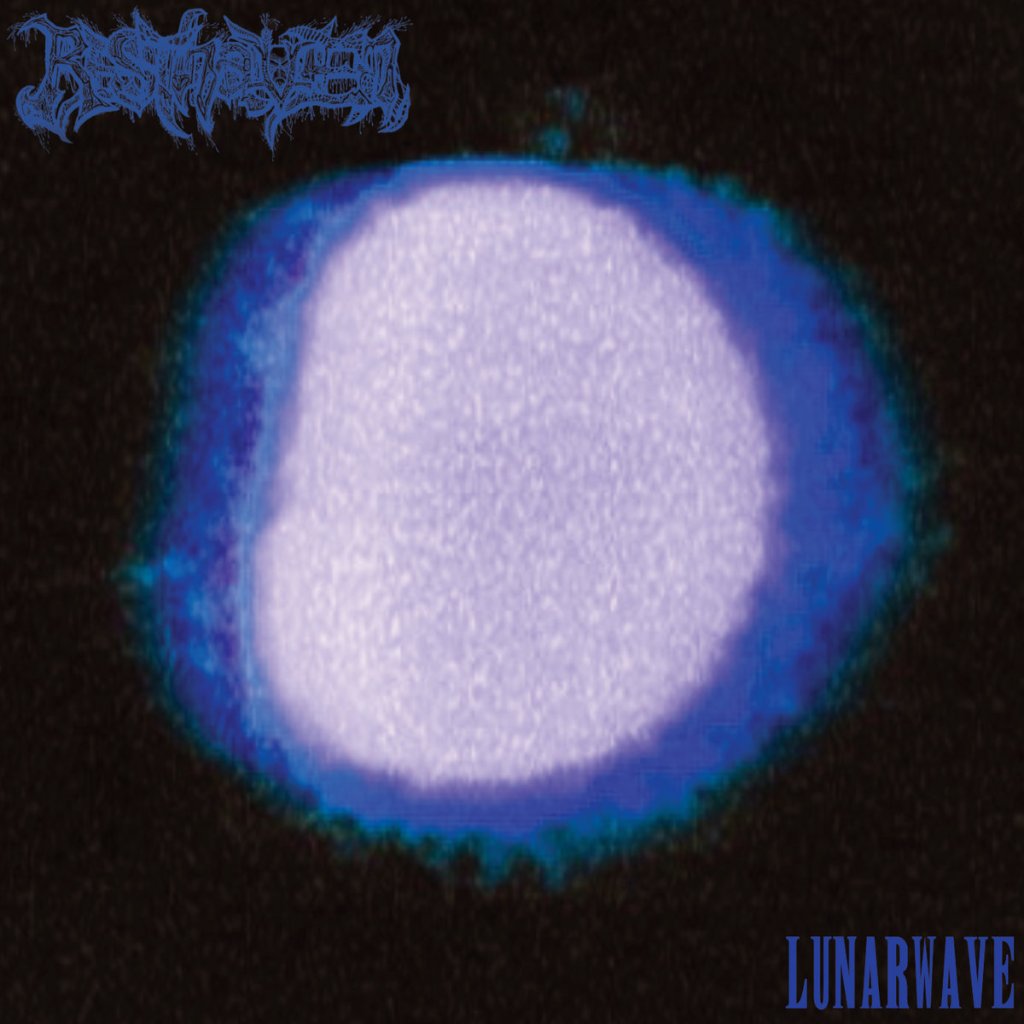
    Toronto’s Resthaven have released their second full length, Lunarwave in February of this year, following their 2023 self-titled debut.

    Hissing guitar feedback gives way to gang vocals punctuating twin guitar leads stripped straight from any given blue-castle-on-the-cover black metal album from the mid 90s. The sword-swinging leads are contrasted by thrashing turnarounds and barking vocals, solidifying the swirling mix of influences that make up the foundation of Resthaven‘s newest effort.

    But just marrying black metal and thrash isn’t particularly exciting by itself. This is where Resthaven‘s strength lies– in slowly letting Lunarwave open up as it goes on, inviting the listener to bask in the kaleidescopic array of other genres that float around that black/ thrash core.

    There’s a playfulness in the songwriting on Lunarwave that is tough to explain. The album is heavy, definitely, and a serious offering– it isn’t doing a bit nor is it tongue in cheek in the way it shifts gears across it’s 33 minute run time. It is, however, undoubtable that the members of Resthaven are in fact, real ones and built their music (at least partially) out of love for their favourite artists and albums. The riffs on this album aren’t made by people who think At the Gates starts and ends at Slaughter of the Soul. When you ask a member of Resthaven for a Swedish death metal album recommendation, they pull Uncanny‘s Splenium for Nyktophobia off of the shelf. Resthaven are studied fans and are clearly stoked to be making music in the style(s) that they love.

    The title track brings in some of Dan Swanö’s signature goth rock sensibility both in the melodramatic (complimentary) intro as well as during the bridge to build up to a phenomenal catharsis once the snaking chorus reprises. “Left in the Gutter” swings far into the post-hardcore leanings you’d find in countless anime openings, layering chanting over more vulnerable vocal wails and extended chords bouncing along with aplomb. It’s frankly a little jarring on first listen hearing this J-rock inspired tune after the previous song’s pummelling pace, but it pretty quickly clicks in place as both being cohesive with the underlying vibe of the album while also providing a much needed break from the HM-2 riffing, which only gets more claustrophobic and hardcore inspired as the record continues.

    A band after my own heart, Resthaven features local musicians (and presumably their friends) on a couple tracks, with Blood Wraith dropping gut-rippling gutterals on “SUSOV” and Consuming Misery following suit on “Punished” as the song drops to an Asphyx-like crawl. Both features bring another dimension to Lunarwave‘s already multifaceted approach. We love homies helping homies.

    My only gripe with Lunarwave would be the guitar production. It runs amok with wily HM-2 tones, and while the riffing channels Dismember, Crowbar, and Nails in equal measures (Nails especially on the spin-kick worthy outro of “Nibelheim”), it doesn’t seem to have the muscle behind the tone that I want to hear.

    It isn’t anything that actually drags the album down, but a wistful “what if” that just drapes across my mind. As far as I can discern, the band mixed, and mastered Lunarwave entirely on their own and that in itself is a triumph. It’d also be remiss of me not to say as a fellow HM-2 owner that, yeah, dialing in a tone on that shitbox is hard as fuck. The amount of times I’ve clicked mine on mid-set thinking I was about to get gnarly just to have my guitar playing swallowed up by a wall of scooped, fizzy noise is more than I care to admit. Resthaven, thankfully avoids such an amateur move in their production. The choice to keep the bass rumbling along with a powerful, warm and clean tone keeps every instrument in their own lane and stops things from getting too messy.

    Some folks wax about how easy musicians have it these days with home studios and the ability to record completely DIY, but let me tell you from first hand experience that doing it DIY is fucking hard and anything coming out sounding as good as this album sounds overall should be celebrated.

    So, if I’m not gonna be a weenie about the production, where does that leave me on Lunarwave? It rocks. It gets a “hell yeah” from me. This is a blend of black metal, thrash, death metal, and hardcore that is so refreshing to hear. It deftly dodges the hardcore/ death metal trend that erupted from labels like the 2022 Maggot Stomp roster by just pulling from references a bit off the beaten path. Edge of Sanity rather than Suffocation. Black Breath rather than Terror. In doing so the band isn’t whipping up copy-cat riffs, but instead flexing their ability to dissect what makes those artists great and weave something unique and engaging out of those inspirations.

    Which brings us to the only question that matters:

    Is it sick?

    Yes.

    You can listen to Lunarwave on all major streaming platforms and on Resthaven‘s bandcamp.